
Can you afford to lose your income? What if an unexpected illness or injury left you unable to work? Financial stability is crucial, and income replacement insurance can provide a vital safety net.
This type of insurance ensures that you continue to receive a portion of your income if you’re unable to work due to health issues. It’s a form of protection that helps maintain your standard of living, even when faced with unforeseen circumstances.
Key Takeaways
Table of Contents
- Income replacement insurance provides financial protection in case of disability or illness.
- It helps maintain your standard of living by replacing a portion of your income.
- This insurance is crucial for individuals who are the primary earners in their families.
- Policies can vary, offering different levels of coverage and benefits.
- Understanding the terms and conditions is essential before purchasing a policy.
What Is Income Replacement Insurance?
Understanding income replacement insurance is crucial for protecting one’s financial stability in the face of unexpected life events. This type of insurance is designed to provide a financial safety net in case you become unable to work due to illness, injury, or other disabilities.
Definition and Basic Concept
Income replacement insurance is a type of insurance that replaces a portion of your income if you become unable to work. The basic concept revolves around ensuring that you continue to receive a steady income, even when you’re not working, thereby helping you maintain your standard of living. This insurance is particularly important for individuals who are the primary breadwinners in their families.
The insurance typically provides a percentage of your pre-disability income, usually ranging from 50% to 70%. The exact percentage and the duration for which the benefits are paid can vary depending on the policy.
Types of Income Replacement Policies
There are several types of income replacement policies available, catering to different needs and circumstances. Some common types include:
- Short-term disability insurance: Provides benefits for a limited period, usually up to a few months.
- Long-term disability insurance: Offers benefits for an extended period, sometimes until retirement age.
- Group disability insurance: Often provided by employers as part of their benefits package.
- Individual disability insurance: Purchased directly by individuals to tailor coverage to their specific needs.
Each type of policy has its unique features, benefits, and limitations. Understanding these differences is key to selecting the right income replacement insurance for your needs.
How Income Replacement Insurance Works
The mechanics of income replacement insurance can seem complex, but breaking it down can help clarify its benefits. At its core, income replacement insurance is designed to provide financial support when you’re unable to work due to illness or injury.

The Claims Process Explained
Filing a claim for income replacement insurance involves several steps. First, you must notify your insurance provider about your condition, providing necessary documentation such as medical records. The insurer will then review your claim to determine eligibility based on your policy’s terms. It’s crucial to understand your policy’s definition of disability and how it applies to your situation.
Once your claim is approved, you’ll begin receiving benefits according to your policy’s schedule. The claims process is designed to be straightforward, but it can vary between insurance providers. Understanding the specifics of your policy can help streamline the process.
Benefit Calculation Methods
The benefits from income replacement insurance are typically calculated based on your income at the time of disability. Insurers use various methods to determine the benefit amount, often providing a percentage of your pre-disability income. Policies may have a maximum benefit cap, so it’s essential to review your policy details.
Benefit calculation methods can also consider factors such as your occupation and the nature of your disability. Some policies offer more flexible benefit structures, such as partial disability benefits for those who can work part-time. Reviewing these details can help you choose a policy that best suits your needs.
By understanding how income replacement insurance works, including the claims process and benefit calculation methods, you can better appreciate the benefits of income replacement insurance in securing your financial future.
Key Components of Income Replacement Policies
Understanding the key components of income replacement policies is crucial for selecting the right coverage. Income replacement insurance is designed to provide financial support in the event of disability or illness, but the specifics of how it works can vary significantly from one policy to another.
Benefit Period Options
The benefit period is a critical component of an income replacement policy, determining how long the insurance company will pay benefits if you’re unable to work. Benefit periods can range from a few years to a lifetime, depending on the policy. When choosing a benefit period, consider your age, health, and financial obligations.
Elimination or Waiting Periods
The elimination or waiting period is another vital aspect of income replacement insurance. This is the time you must wait after becoming disabled before benefits begin. Waiting periods can vary from 30 days to several months, and selecting a longer waiting period can lower your premiums.
Definition of Disability
The definition of disability is a key factor in determining whether you’ll receive benefits. Policies may define disability as the inability to perform your own occupation or any occupation. Understanding this definition is crucial to knowing whether you’ll qualify for benefits if you become disabled.
When evaluating income replacement policies, consider the following key factors:
- The length of the benefit period
- The duration of the elimination or waiting period
- The policy’s definition of disability
By carefully examining these components, you can choose a policy that best suits your needs and provides adequate financial protection.
Benefits of Income Replacement Insurance
The benefits of income replacement insurance are multifaceted, providing financial security, peace of mind, and tax advantages. This type of insurance is designed to mitigate the financial impact of becoming disabled or unable to work due to illness or injury.
Financial Security During Disability
Income replacement insurance ensures that you continue to receive a steady income even when you’re unable to work. This financial security is crucial for maintaining your standard of living and covering essential expenses, such as mortgage payments, utility bills, and daily living costs. By having a financial safety net, you can focus on your recovery rather than worrying about how to make ends meet.

Peace of Mind for You and Your Family
Knowing that you have income replacement insurance can provide peace of mind for both you and your family. It alleviates the stress and anxiety associated with the potential loss of income due to disability or illness. This peace of mind is invaluable, as it allows you to maintain a sense of normalcy and stability, even in the face of unforeseen circumstances.
Tax Advantages of Income Protection
Income replacement insurance also offers tax advantages. In many cases, the benefits received from income replacement insurance are tax-free, which means you get to keep more of your benefit amount. This can significantly impact your financial situation, providing more resources to manage your expenses during a challenging time.
How to Choose the Right Income Replacement Policy
Understanding how to choose the right income replacement policy can significantly impact your financial stability. With various options available, it’s essential to follow a structured approach to select a policy that meets your needs.
Step 1: Assess Your Income Protection Needs
Begin by evaluating your income, expenses, and financial obligations to determine the level of coverage required. Consider factors such as your age, occupation, and health status to assess your risk profile.
Step 2: Research Available Policies
Research different insurance providers and their offerings. Look for policies that provide comprehensive coverage and flexible benefit options. Utilize online resources to compare income replacement insurance quotes from various insurers.
Step 3: Compare Coverage and Features
Compare the features of different policies, including benefit periods, elimination periods, and definitions of disability. Ensure the policy you choose aligns with your specific needs and circumstances.
Step 4: Consult with an Insurance Professional
Consulting with an insurance professional can provide valuable insights and help you make an informed decision. They can guide you through the complexities of policy terms and conditions, ensuring you select the most appropriate coverage.
By following these steps, you can confidently choose an income replacement policy that provides the necessary financial protection. Remember, the key is to carefully assess your needs, research thoroughly, and seek professional advice when needed.
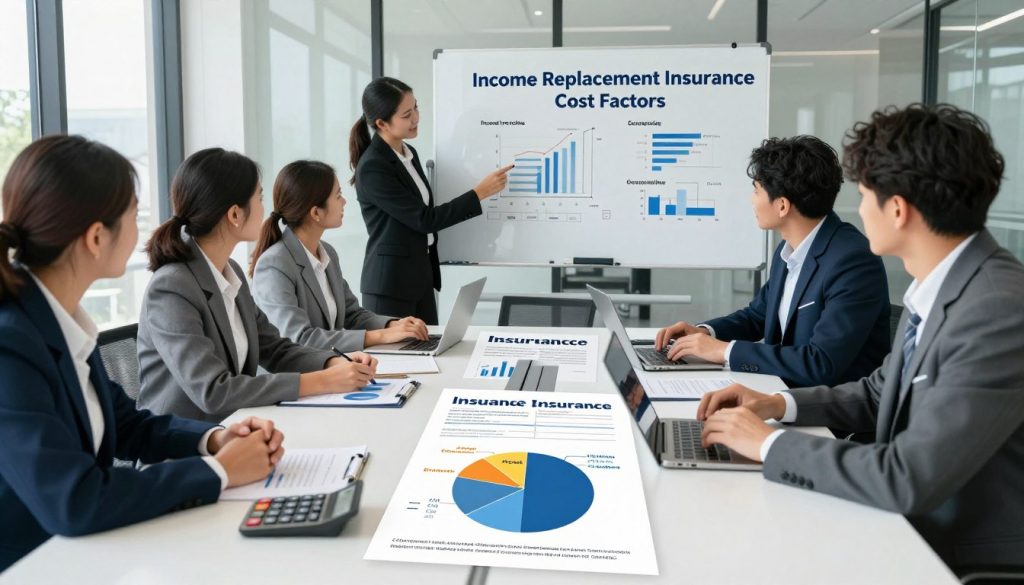
Cost Factors of Income Replacement Insurance
The cost of income replacement insurance is influenced by several key factors that can significantly impact your premiums. Understanding these factors is crucial for selecting the right policy that fits your budget and meets your needs.
Age and Health Considerations
Your age and health status play a significant role in determining your income replacement insurance premiums. Generally, the younger and healthier you are, the lower your premiums will be. Insurance companies view younger individuals as less of a risk because they are less likely to develop health issues that could lead to a claim.
Occupation and Income Level Impact
Your occupation and income level are also critical factors. Certain occupations are considered higher risk, leading to higher premiums. Additionally, your income level will influence the amount of coverage you need, which in turn affects your premiums. Higher income levels typically result in higher premiums because the insurance needs to cover a larger income replacement amount.
Policy Features That Affect Premiums
The features of your income replacement insurance policy can also impact your premiums. For example, the benefit period, elimination period, and the definition of disability can all influence the cost. Policies with more comprehensive coverage and longer benefit periods tend to be more expensive.
Common Mistakes to Avoid When Purchasing
When purchasing income replacement insurance, there are several common mistakes to avoid. These include underestimating your coverage needs, not reviewing policy features carefully, and failing to consider the financial stability of the insurance provider. Being aware of these potential pitfalls can help you make a more informed decision.
By understanding the cost factors of income replacement insurance, you can better navigate the process of selecting a policy that provides the necessary protection without straining your finances. It’s essential to compare different policies, consider your personal circumstances, and consult with an insurance professional to find the best fit for your needs.
Conclusion
Understanding the importance of income protection insurance is crucial in today’s uncertain economic climate. Income replacement insurance provides a safety net, ensuring that you and your family remain financially secure even if you’re unable to work due to illness or injury.
As discussed, income replacement insurance works by providing a percentage of your income if you become disabled. The specifics of how it works, including the claims process and benefit calculation methods, are essential to grasp to make informed decisions.
By choosing the right income replacement policy, you can enjoy financial security, peace of mind, and tax advantages. It’s essential to assess your income protection needs, research available policies, and compare coverage and features to find the best fit.
Taking control of your financial future by investing in income replacement insurance can provide long-term benefits. It’s a proactive step towards safeguarding your income and ensuring that you and your loved ones are protected against unforeseen circumstances.